Menampilkan postingan yang diurutkan menurut tanggal untuk kueri vitamin d. Urutkan menurut relevansi Tampilkan semua postingan

Can You Have Diet Soda On A Low Carb Diet

Can You Have Diet Soda On A Low Carb Diet

A low-carb or carb-free diet can help steer you away from sugary and starchy foods like bread, pasta, and cereal. Low-carb diets are high in protein and fats and can offer an alternative to counting calories or grams. The diet isn't for everyone, however; people with medical conditions such as diabetes or high blood pressure, as well as pregnant and nursing women, should consult with their general practitioner before making significant dietary changes. Even when a lot of treats are off the table, there are still some great options for people given the go-ahead to adopt a low-carb diet.

Eggs

Eggs are an excellent low-carb food. They contain almost zero carbohydrates, but provide plenty of nutrients including vitamins A, D, E, and B, calcium, iron, phosphorus, zinc, and selenium. Egg yolks contain choline, which is essential for brain development, nerve function, muscle movement, and energy. Eggs are one of the most affordable sources of quality protein.

Fish

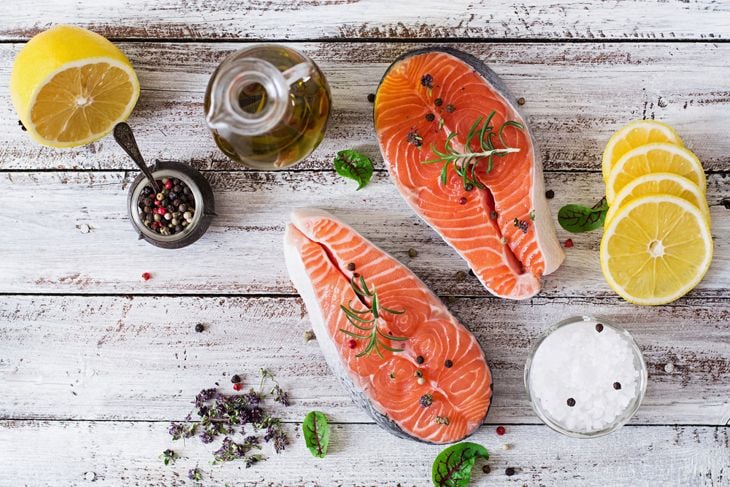
Seafood, including salmon, tuna, mackerel, haddock, trout, sardines, and anchovies, are free of carbohydrates. Fish is rich in fats and protein. Fatty fish, including salmon, char, mackerel, and sardines, are some of the best for your health because they contain omega-3 fatty acids that fight inflammation and lower the risk of developing conditions such as autoimmune diseases, metabolic syndrome, heart disease, Alzheimer's disease, and cancer. These nutrients are particularly vital during pregnancy; the fetal brain requires them for healthy development.
Red meat

Red meat, including beef, lamb, pork, and veal, is also carb-free, excepting organ meats like liver. Beef is full of iron and vitamin B12, which helps make DNA and keeps nerves and red blood cells healthy. Depending on the cut, meat may be more or less fatty. This makes it possible to choose your dinner options based on the ratio of fat to protein you need that day.

Poultry

Chicken, turkey, and duck are quality protein sources that contain zero carbohydrates. If you're looking for lean protein, chicken breast contains 80% protein and 20% fat. Some people on low-carb diets prefer to stick to fattier cuts such as the thigh, leg, and wing, however. Chicken provides plenty of essential vitamins and minerals and is low in cholesterol and sodium when the right portion size is properly prepared.

Cheese

Hard cheeses like Muenster, Gouda, cheddar, Colby-Jack, and Swiss are generally no more than one or two percent carbohydrate. Cheese is high in fat and a great source of protein as well. It also boasts ample quantities of vitamin B12 and calcium. Cheese comes in many flavors and textures, making it a versatile food.

Greek Yogurt

While not completely carb-free, Greek yogurt is a low-carb option, usually made up of about 12 grams per cup, and has around 40% of your recommended daily intake (RDI) of protein. It is also a great source of calcium and phosphorus. One of the most beneficial things about yogurt is its probiotic content. Probiotics are good bacteria essential to gut health. They boost immune system function, aid in nutrient absorption, and fight off bad bacteria.

Butter

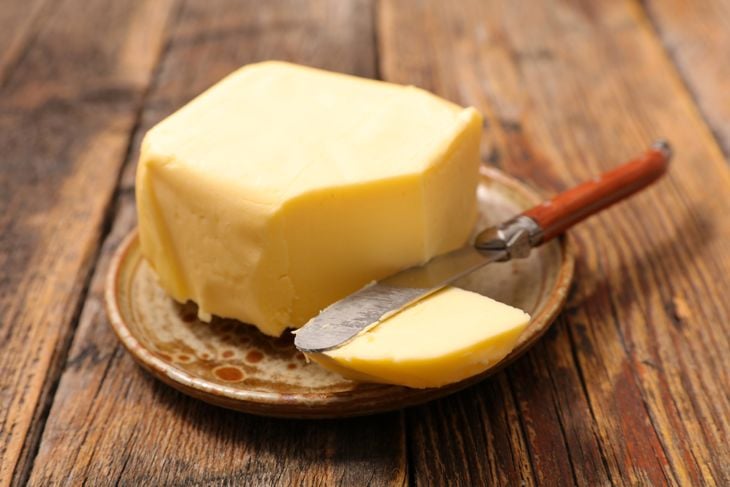
Butter is approximately 80% fat and 20% water. It does not contain any carbohydrates or proteins. It is, however, a great source of vitamins A, D, and E. Butter is also rich in healthy saturated fats that raise good HDL cholesterol, but it can raise bad LDL cholesterol and as such should be consumed in moderation. The America Heart Association recommends eating only 13 grams of saturated fat every day. Butter contains many fatty acids that support brain development, as well, making it a good condiment for growing children.
Nuts and seeds

Nuts and seeds are popular low-carb diet options. These "brain foods" are an excellent source of omega-3 fatty acids and contain plenty of antioxidants for optimal brain function. Almonds are 15% carbs, 72% fats, and 13% protein; while they may not be as low-carb as walnuts, one serving has only 9 grams of carbs, about half of which is fiber. Seeds, including hemp, chia, flax, and pumpkin, are all relatively low in carbs and high in healthy fats and protein, as well. Best of all, they're an easy grab-and-go pick for snacks.

Oil

All oils are carb-free, but the healthiest are unrefined or cold-pressed, including extra-virgin olive, coconut, and avocado oils. Olive oil is loaded with antioxidants, anti-inflammatories, and anti-cancer compounds and is proven to be particularly supportive of heart health, helping fend off strokes and heart attacks.

Low-Carb vegetables

Some vegetables are high in carbs, and some are not. Low carb veggies include asparagus, mushrooms, broccoli, cauliflower, bell peppers, cucumbers, zucchini, spinach, green beans, lettuce, kale, and collard greens. Vegetables to avoid on a low-carb diet include the sweet or starchy ones such as potatoes, sweet potatoes, yams, peas, corn, parsnips, and legumes.

Avocados

Avocados are a unique fruit because instead of being high in carbs, like most of their kind, they are full of healthy fats. They have a wide and varied nutritious profile and even contain more potassium than a banana. They're an excellent source of vitamins C, E, and K, as well as B-vitamins, folate, and many essential minerals.

Low-Carb Beverages

Watch out. There are a lot of carbs hiding in sugary drinks like soda and juice. If you're on a low-carb diet, try to steer clear of beverages with added sugar. People on this diet can opt for water, coffee, tea, and sparkling water.

Can You Have Diet Soda On A Low Carb Diet

Source: https://facty.com/food/nutrition/12-low-carb-foods-for-dieting/

Share:

Natureplex Vitamin A&D Cream

Natureplex Vitamin A&D Cream

Photo Courtesy: Justin Paget/DigitalVision/Getty Images

Vitamin D is important for maintaining a healthy body, primarily because it helps you fully maximize your body's absorption and utilization of calcium, an important mineral that we all need. When paired with calcium, vitamin D helps regulate bone remodeling and growth, ensuring healthy, strong bones. Vitamin D can also help protect older adults from osteoporosis, which occurs due to excess bone loss from aging.

Furthermore, this nutrient boosts your immune system and reduces inflammation within your body, potentially warding off future medical conditions in the process. It also plays a vital role in cell growth, neuromuscular functions and protein encoding. Studies have shown that a regular, healthy vitamin D intake can also serve as an antidepressant and make people feel generally happier. But that's not all you'll want to know about vitamin D.

Vitamin D is naturally found in certain foods and now appears in many more foods that have been fortified with added nutrients. The best sources of naturally occurring vitamin D are oily fish such as salmon, tuna, cod, sardines and mackerel. Fish liver oils are another good source of vitamin D. Small amounts of the nutrient are present in beef liver, cheese, egg yolks and mushrooms.

Photo Courtesy: Alexander Spatari/Moment/Getty Images

Commonly, vitamin D-fortified foods include whole milk, orange juice, margarine and breakfast cereals. It's important to look at the label and nutrition facts to verify that vitamin D is in a particular food you're considering. Because dairy products are often fortified with vitamin D, lactose intolerant or vegan individuals should keep an eye on their diets to ensure they get enough of the vitamin.

Sun exposure is another method of naturally obtaining vitamin D, as our bodies can create their own vitamin D upon exposure to ultraviolet (UV) rays from the sun. However, it's difficult to gauge exactly how much sun exposure can generate sufficient vitamin D, as overexposure can be harmful, too. UV rays are also known to trigger free radicals, which can lead to skin cancer if left unchecked.

It's been suggested that getting approximately 15 minutes of sun exposure between 10 a.m. and 3 p.m. at least twice a week to your face, arms, legs or back will help your body synthesize enough vitamin D. It's important to note that you can't cover the exposed area of your body with sunscreen if you choose to get vitamin D naturally. The SPF blocks UV rays and can hinder your body's ability to create vitamin D. If you're in the shade or behind a window, the rays will not get through. If the climate where you live is primarily cloudy, it's important to get your recommended amount of vitamin D via other means.

Dietary supplements are also an excellent way of obtaining vitamin D. Supplements come in two forms: vitamin D3 (cholecalciferol), which is identical to the form your body makes when exposed to sunlight, and vitamin D2 (ergocalciferol), which differs slightly from D3 in its chemical side-chain structure. There's some evidence that vitamin D3 increases and maintains overall levels slightly better than vitamin D2.

Side Effects of a Vitamin D Deficiency

Vitamin D deficiency occurs when you don't adequately absorb the nutrient or when your kidneys can't convert the nutrient to its active form. This deficiency can result in medical conditions, two of which are called rickets and osteomalacia.

Photo Courtesy: RealPeopleGroup/E+/Getty Images

Rickets, a disease characterized by a failure of bone tissues to get enough minerals, can result in abnormal, soft bones and skeletal deformities. It's most common in children. Fortunately, it isn't permanent, and kids can consume as few as 1 to 3 teaspoons of cod liver oil a day to reverse the condition.

With the help of fortified foods today, rickets is almost obsolete in the United States. Osteomalacia, characterized by soft and weak bones, is usually present in adults. It's commonly treated with an intense regimen of vitamin D replacement under the care of a physician.

Vitamin D and Other Health Conditions

Vitamin D deficiency has been linked to cardiovascular disease, and people with lower levels of vitamin D appear to be at an increased risk of having a heart attack or stroke. However, the exact relationship isn't clear, and there appears to be no benefit to cardiovascular risk in taking a vitamin D supplement.

Photo Courtesy: PixelsEffect/E+/Getty Images

Research is also ongoing to find if there's a link between vitamin D and multiple sclerosis (MS). It appears that vitamin D deficiency is linked to the development of MS, and people with MS and higher levels of vitamin D appear to have reduced disease activity.

Low vitamin D has been linked to an increased risk of contracting respiratory illnesses such as influenza A. It appears that people with low vitamin D levels are at greater risk of severe novel coronavirus (COVID-19) infection. It's not clear yet if routine vitamin D supplementation would reduce this risk.

Because vitamin D is a fat-soluble substance, it can stay in your body for several days. Thus, vitamin D poisoning is possible if you supplement too much vitamin D over a period of a few months. Symptoms of vitamin D overdose include dehydration, vomiting, decreased appetite, irritability, constipation and fatigue. If left unaddressed, vitamin D poisoning can lead to anorexia, over-calcification of the bones and internal organs, kidney stones and hypertension (high blood pressure). It's important to note that vitamin D poisoning usually only occurs with excessive intake of dietary supplements. It's highly unlikely to occur as a result of normal dietary intake and sun exposure.

Daily Dosage Recommendations

The recommended dietary allowances for vitamin D vary depending on your age and other health and life circumstances, such as pregnancy. For infants under 12 months, the recommended intake is 400 international units (IU) or 10 micrograms (mcg). For individuals under 70 years old, the recommended intake is 600IU (15mcg). For individuals over 70 years old, the intake increases to 800IU (20mcg).

Photo Courtesy: katleho Seisa/E+/Getty Images

If you have a pre-existing medical condition or other medical concerns, it's best to talk to a healthcare professional about determining your recommended dietary allowance for vitamin D. This way, you can be sure the vitamin doesn't interact negatively with your condition or medication.

Resource Links:

https://medlineplus.gov/vitamind.html

https://ods.od.nih.gov/factsheets/VitaminD-Consumer/

https://www.hsph.harvard.edu/nutritionsource/vitamin-d/

https://medlineplus.gov/druginfo/meds/a620058.html

https://bestpractice.bmj.com/patient-leaflets/en-gb/pdf/3000049/Vitamin%20D%20deficiency.pdf

https://bestpractice.bmj.com/topics/en-gb/641

https://assets.publishing.service.gov.uk/government/uploads/system/uploads/attachment_data/file/537616/SACN_Vitamin_D_and_Health_report.pdf

https://www.covid19treatmentguidelines.nih.gov/adjunctive-therapy/vitamin-d/

MORE FROM SYMPTOMFIND.COM

Natureplex Vitamin A&D Cream

Source: https://www.symptomfind.com/health/vitamin-d-facts?utm_content=params%3Ao%3D740013%26ad%3DdirN%26qo%3DserpIndex

Share:

Low Vitamin D Liver

Low Vitamin D Liver

  • plos.org
  • create account
  • sign in
  • Loading metrics

Open Access

Peer-reviewed

Research Article

Vitamin D deficiency is associated with hepatic decompensation and inflammation in patients with liver cirrhosis: A prospective cohort study

  • Alica Kubesch,
  • Leonie Quenstedt,
  • Maged Saleh,
  • Sabrina Rüschenbaum,
  • Katharina Schwarzkopf,
  • Yolanda Martinez,
  • Christoph Welsch,
  • Stefan Zeuzem,
  • Tania M. Welzel,
  • Christian M. Lange

PLOS

x

  • Published: November 8, 2018
  • https://doi.org/10.1371/journal.pone.0207162

Abstract

Background

Vitamin D is required to maintain the integrity of the intestinal barrier and inhibits inflammatory signaling pathways.

Objective

Vitamin D deficiency might be involved in cirrhosis-associated systemic inflammation and risk of hepatic decompensation in patients with liver cirrhosis.

Methods

Outpatients of the Hepatology Unit of the University Hospital Frankfurt with advanced liver fibrosis and cirrhosis were prospectively enrolled. 25-hydroxyvitamin D (25(OH)D3) serum concentrations were quantified and associated with markers of systemic inflammation / intestinal bacterial translocation and hepatic decompensation.

Results

A total of 338 patients with advanced liver fibrosis or cirrhosis were included. Of those, 51 patients (15%) were hospitalized due to hepatic decompensation during follow-up. Overall, 72 patients (21%) had severe vitamin D deficiency. However, patients receiving vitamin D supplements had significantly higher 25(OH)D3 serum levels compared to patients without supplements (37 ng/mL vs. 16 ng/ml, P<0.0001). Uni- and multivariate analyses revealed an independent association of severe vitamin D deficiency with the risk of hepatic decompensation during follow-up (multivariate P = 0.012; OR = 3.25, 95% CI = 1.30–8.2), together with MELD score, low hemoglobin concentration, low coffee consumption, and presence of diabetes. Of note, serum levels of C-reactive protein, IL-6 and soluble CD14 were significantly higher in patients with versus without severe vitamin D deficiency, and serum levels of soluble CD14 levels declined in patients with de novo supplementation of vitamin D (median 2.15 vs. 1.87 ng/mL, P = 0.002).

Conclusions

In this prospective cohort study, baseline vitamin D levels were inversely associated with liver-cirrhosis related systemic inflammation and the risk of hepatic decompensation.

Citation: Kubesch A, Quenstedt L, Saleh M, Rüschenbaum S, Schwarzkopf K, Martinez Y, et al. (2018) Vitamin D deficiency is associated with hepatic decompensation and inflammation in patients with liver cirrhosis: A prospective cohort study. PLoS ONE 13(11): e0207162. https://doi.org/10.1371/journal.pone.0207162

Editor: Pavel Strnad, Medizinische Fakultat der RWTH Aachen, GERMANY

Received: August 30, 2018; Accepted: October 25, 2018; Published: November 8, 2018

Copyright: © 2018 Kubesch et al. This is an open access article distributed under the terms of the Creative Commons Attribution License, which permits unrestricted use, distribution, and reproduction in any medium, provided the original author and source are credited.

Data Availability: All relevant data are within the manuscript.

Funding: This study was supported by the Deutsche Forschungsgemeinschaft (LA 2806/2-1 and LA 2806/5-1 to CML). The funder had no role in study design, data collection and analysis, decision to publish, or preparation of the manuscript.

Competing interests: The authors have declared that no competing interests exist.

Introduction

Vitamin D is a key hormone in the regulation of bone metabolism [1]. However, vitamin D receptor (VDR) signaling has been shown to impact on the expression of more than 9000 genes, and accumulating evidence suggests that these genomic effects of calcitriol, the bioactive form of vitamin D, execute important non-classical (in contrast to bone metabolism) functions of vitamin D such as regulation of immune responses or cell proliferation [2]. For example, vitamin D serves as an anti-inflammatory mediator by inhibiting the differentiation of Th17 cells in in favor of regulatory T cells [3]. Furthermore, it was shown that supplementation with the vitamin D precursor cholecalciferol results in a decrease of C-reactive protein (CRP), IL-6 and TNF-α serum levels in hemodialysis patients [4]. A significant reduction of systemic inflammation and consecutive resolution of inflammation has also been observed in an interventional study with high-dose cholecalciferol in patients with lung tuberculosis [5].

Additional studies have suggested a role of VDR signaling in maintaining the integrity of the intestinal barrier and intestinal bacterial homeostasis. For example, a large prospective study has shown that baseline vitamin D deficiency is associated with an increased risk of inflammatory bowel disease during follow-up [6]. Mechanistically, this might be explained by direct effects of VDR signaling on tight junctions and integrity of intestinal epithelial cells [7,8]. Furthermore, polymorphisms in the VDR were identified by a genome-wide association study to be associated with distinct composition of the gut microbiota [9].

Both, systemic inflammation and dysfunction of the intestinal barrier are key drivers of the progression of chronic liver disease. Since vitamin D deficiency is particular frequent in patients with liver disease such as viral hepatitis, or alcoholic hepatitis [10–14], we aimed to further explore the relationship between vitamin D serum levels, systemic inflammation and hepatic decompensation in a prospective cohort study of patients with liver cirrhosis.

Patients and methods

Study population

Since July 2016, consecutive patients presenting to the outpatient liver clinic of the University Hospital Frankfurt, Germany, with advanced liver fibrosis or cirrhosis were included in a prospective cohort study. Inclusion criteria were age above 18 years, diagnosed advanced fibrosis (Metavir ≥F2) or cirrhosis of different etiologies, and written informed consent to participate in the study. Exclusion criteria were age below 18 years, pregnancy or breastfeeding, presence of hepatocellular carcinoma (HCC) beyond Milan criteria, presence of infection with human immunodeficiency virus (HIV), or therapy with immunosuppressive agents. The patients were followed up every three months and when admitted to hospital with hepatic decompensation. At each follow-up time point, clinical and laboratory variables including 25-hydroxyvitamin D concentration were recorded and serum samples were stored for further analyses. Vitamin D supplementation was initiated in a number of patients according to the responsible physicians' discretion.

Liver fibrosis was assessed by shear-wave elastography using a Hitachi HI VISION Ascendus system (pSWE (ARFI); thresholds F3 = >9.5 kPa, F4 = >12.5 kPa) or a Siemens Acuson S2000TM system (pSWE (ARFI) Virtual Touch Quantification (VTQ); thresholds F3 = >1.55 m/s, F4 = >1.8 m/s). In addition, liver fibrosis was assessed by the FibroTestTM. Acute decompensation of liver cirrhosis was defined as presence of one of the following criteria: new onset / progression of hepatic encephalopathy graded by West-Haven criteria [15], gastrointestinal hemorrhage, bacterial infection, or ascites grade II-III (graded according to Moore et al.[16]).

The study was approved by the ethics committee of the University- Hospital Frankfurt prior to the study. A written informed consent was obtained from the patients prior to enrollment in the study.

Quantification of 25-hydroxyvitamin D [25(OH)D3] serum levels

25-hydroxyvitamin (25(OH)D3) levels were quantified by radioimmunoassay as previously described [17]. 25(OH)D3 levels above >30 ng/ml were considered as optimal, whereas 25(OH)D3 levels between 10–30 ng/ml and <10 ng/ml were considered as deficiency and severe deficiency, respectively.

Quantification of IL-6, I-FABP, and soluble CD14 serum levels

Serum concentrations of IL-6, I-FABP, and soluble CD14 were quantified by ELISA as described previously [18].

Statistical analyses

Statistical analyses were performed using BiAS, Version 11.06, and Graphpad PRISM5. Group differences were assessed by means of χ2 contingency tables or Wilcoxon-Mann-Whitney-U-tests, as appropriate. P values < 0.05 were considered to be statistically significant. Associations of outcomes with continuous or dichotomic variables were assessed in linear and logistic regression models, respectively. After univariate analyses, multivariate analyses were performed for significant associations. Multivariate models were obtained by backward selection, using a P value >0.15 for removal from the model.

Results

Patient characteristics

A total of 338 patients with advanced liver fibrosis or cirrhosis of different etiologies were recruited for the present study according to the above defined inclusion criteria. Baseline characteristics of included patients are shown in Table 1. During a median follow-up time of 3–12 months, 51 out of 338 patients (15%) were hospitalized due to hepatic decompensation, including 23 episodes of acute ascites, 16 episodes of acute hepatic encephalopathy, 7 infections, 16 cases of renal failure, and 6 cases of upper GI bleeding. Of patients who were hospitalized with hepatic decompensation, 36 and 44 had a previous history of ascites and overall hepatic decompensation, respectively, whereas 105 and 130 patients without hospitalization at follow-up had a previous history of ascites and overall hepatic decompensation, respectively. Sixteen patients (5%) died during follow-up.

25(OH)D3 serum levels

The median 25(OH)D3 serum concentration of the entire cohort was 23 ng/mL. Of note, 118 patients (35%) out of the entire cohort (n = 338) received vitamin D supplements (1000 IU cholecalciferol daily in 56 patients, 20000 IU cholecalciferol once weekly in 62 patients). The median 25(OH)D3 serum concentration was significantly higher in patients receiving vitamin D supplements compared to patients who were not supplemented (37 ng/mL vs. 16 ng/ml, P<0.0001). Of the entire cohort, 132 patients (39%) had optimal 25(OH)D3 serum levels >30 ng/ml, whereas 72 patients (21%) had severe vitamin D deficiency (25(OH)D3 serum concentration <10 ng/ml). Only 3 out of 72 patients (4%) with severe vitamin D deficiency received vitamin D supplements (more details in Table 2).

Seasonal variations of 25(OH)D3 serum levels are shown in S1 Table. Of note, seasonal variations of 25(OH)D3 serum were extensive in patients not receiving vitamin D supplements, whereas vitamin D supplementation strongly attenuated seasonal fluctuations of 25(OH)D3 serum levels.

Next, multivariate linear regression analyses were performed to explore association with vitamin D serum levels in patients with advanced liver fibrosis or cirrhosis. The analyses were conducted separately for the entire cohort as well as for the subgroup of patients with and without vitamin D substitution. As shown in Table 3, waist circumference, smoking, and history of ascites were independently associated with lower 25(OH)D3 serum levels, whereas no significant association between 25(OH)D3 serum levels and MELD score, coffee or alcohol consumption were observed in the entire cohort. These results were largely comparable in the subgroups of patients with or without vitamin D substitution (Table 3).

Baseline vitamin D deficiency is associated with hepatic decompensation at follow-up

Uni- and multivariate analyses revealed an independent association of severe vitamin D deficiency with the risk of hepatic decompensation during follow-up (multivariate P = 0.012; OR = 3.25, 95% CI = 1.30–8.2), together with MELD score, low hemoglobin concentration, low coffee consumption, and presence of diabetes (Table 4). The association between severe vitamin D deficiency and the risk of hepatic decompensation during follow-up remained significant in the subgroup analysis of patients without vitamin D substitution, but not subgroup analysis of patient with vitamin D substitution (Table 4). Baseline 25(OH)D3 serum concentration was also associated with hepatic decompensation during follow-up when assessed as a continuous variable (P = 0.002), or when other cut-offs for vitamin D deficiency were applied (P = 0.01 and P = 0.008 for 25(OH)D3 serum concentration <20 ng/mL and <30ng/mL, respectively). Area under the receiver operating characteristic curve (AUROC) revealed a 25(OH)D3 serum concentration of 8.5 ng/mL as the optimal cutoff to predict the risk of hepatic decompensation during follow-up (Fig 1). Furthermore, there was a trend for a protective association between vitamin D supplementation and hepatic decompensation (P = 0.1). Finally, severe vitamin D deficiency was associated with mortality during follow-up (P = 0.04), but not with the incidence of hepatocellular carcinoma (P = 0.6).

thumbnail

Fig 1. Area under the receiver operating characteristic curve (AUROC) of baseline vitamin D serum levels predicting the risk of hepatic decompensation during follow-up.

A 25(OH)D3 serum concentration of 8.5 ng/mL was identified as the optimal cutoff.

https://doi.org/10.1371/journal.pone.0207162.g001

Vitamin D deficiency is associated with markers of systemic inflammation and bacterial translocation

Due to the anti-inflammatory and barrier-strengthening properties of VDR signaling, cirrhosis-associated systemic inflammation and dysfunction of intestinal barriers might be promoted by vitamin D deficiency. Indeed, patients with versus without severe vitamin D deficiency (25(OH)D3 serum concentration) had significantly higher serum concentrations of CRP (0.85 mg/dL (SD = 1.3) versus 0.43 mg/dL (SD = 0.7), P = 0.007). Therefore, we assessed possible associations between 25(OH)D3 serum concentration and IL-6, I-FABP, and soluble CD14, as additional surrogate markers of systemic inflammation, intestinal barrier dysfunction, and bacterial translocation, respectively. We performed this analyses in a subgroup of patients for which follow-up serum samples were available and in whom 25(OH)D3 serum concentrations remained stable at low levels from baseline to follow-up (n = 39, median 25(OH)D3 concentration at baseline = 12 ng/mL and 10 ng/mL at follow-up) or in whom de novo supplementation of vitamin D was initiated at baseline (n = 55, median 25(OH)D3 concentration at baseline = 9,8 ng/ml and 31 ng/ml at follow-up; P<0.0001). Baseline serum levels of IL-6 and soluble CD14, but not of I-FABP, were significantly higher in patients with severe vitamin D deficiency at baseline compared to patients without severe vitamin D deficiency (Fig 2). During follow-up, soluble CD14 levels declined in comparison to baseline in patients with de novo supplementation of vitamin D (median 2.15 ng/mL vs. 1.87 ng/mL, P = 0.002), whereas no change was observed in patients with stably low vitamin D serum levels (median 1.97 ng/mL vs. 2.02 ng/mL, n.s.). However, no significant changes between baseline and follow-up were observed for IL-6 serum levels.

Discussion

The first main finding of our study is that severe vitamin D deficiency is frequent in patients with decompensated liver cirrhosis and is associated with the risk of hospitalization due to hepatic decompensation and death. Furthermore, our study shows that vitamin D supplementation is effective in patients with advanced liver disease and can achieve serum concentrations of 25(OH)D3 in a healthy range. Finally, our study reveals an association between low 25(OH)D3 serum levels and liver cirrhosis-associated systemic inflammation, which may provide a functional basis of the relationship between vitamin D deficiency and hepatic decompensation.

Vitamin D deficiency is a frequent finding in healthy world-wide populations [19]. However, the proportion of patients with liver disease suffering from severe vitamin D deficiency is significantly higher compared to healthy controls [17]. An important finding of previous research of our and other groups was that liver-disease associated vitamin D deficiency in non-cirrhotic patients appears to be a result of the underlying liver disease per se, namely infections with hepatotropic viruses or alcoholic and non-alcoholic fatty liver disease, whereas the degree of liver fibrosis has little impact on 25(OH)D3 serum levels [10, 12–14,17,20]. This suggests a role of inflammation in the development of vitamin D deficiency, and indeed expression of genes regulating vitamin D metabolism is partially regulated by inflammatory cytokines [3]. In the present study we show that in patients with advanced liver fibrosis or cirrhosis, vitamin D deficiency poorly correlates with the degree of fibrosis / cirrhosis or the MELD score as well. In contrast, there is a strong association between 25(OH)D3 serum levels and hepatic decompensation, waist circumference and–interestingly–smoking. There is a clinically established role of vitamin D in maintaining bone health and, importantly, muscular integrity and prevention of frailty [21]. Hence, the high risk of vitamin D deficiency in patients with liver cirrhosis should not be neglected, in particular in a pre-transplant setting where optimal bone density is important due to the risk of post-transplant glucocorticoid therapy and due to the detrimental effect of frailty on post-transplant outcome. Our study firmly shows that adequate 25(OH)D3 serum levels can be achieved in patients with advanced liver disease by cholecalciferol supplementation.

Limitations of our study are a not directly assessed the vitamin D substitution compliance, however the profound increase in 25(OH)D3 serum levels suggest high adherence. Furthermore possible antibiotic intake was not reliably reported for the entire cohort in this study. Thus a possible effect of concomitant antibiotic therapy on the risk of decompensation cannot be assessed.

Possible beneficial effects of vitamin D signaling on liver disease itself are more controversial due to the lack of appropriate controlled interventional studies. Our study cannot provide sufficient evidence for a causal relationship between vitamin D deficiency and systemic inflammation in patients with liver cirrhosis. The decrease of soluble CD14 levels in patients with adequate response to de novo supplementation of vitamin D may be a hint for such a causal relationship, and previous interventional studies e.g. in patients with hemodialysis or with lung tuberculosis have convincingly shown that vitamin D supplementation can suppress pro-inflammatory cytokine secretion [4,5]. Furthermore, animal models, observational studies and interventional studies have shown that vitamin D deficiency promotes the development of inflammatory bowel disease by disrupting the integrity of the intestinal barrier [6,7,22], and VDR signaling appears to be crucial for the development of the intestinal microbiome [9]. Finally, vitamin D suppresses liver fibrosis progression by a genomic feed-back mechanism suppressing the fibrotic response of hepatic stellate cells [23]. Together with the established benefit on bone and muscle health, these data may further support vitamin D supplementation in patients with liver cirrhosis and severe vitamin D deficiency.

In conclusion, our study reveals a possibly functional relevant association between severe vitamin D deficiency, systemic inflammation and risk of hepatic decompensation in patients with advanced liver fibrosis / cirrhosis.

Supporting information

References

  1. 1. Holick MF. The vitamin D deficiency pandemic: Approaches for diagnosis, treatment and prevention. Rev Endocr Metab Disord 2017;18:153–165. pmid:28516265
    • View Article
    • PubMed/NCBI
    • Google Scholar
  2. 2. Ramagopalan SV, Heger A, Berlanga AJ, Maugeri NJ, Lincoln MR, Burrell A, et al. A ChiP-seq defined genome-wide map of vitamin D receptor binding: Associations with disease and evolution. Genome Research 2010;20:1352–60. pmid:20736230
    • View Article
    • PubMed/NCBI
    • Google Scholar
  3. 3. Mora JR, Iwata M, von Andrian UH. Vitamin effects on the immune system: vitamins A and D take centre stage. Nat Rev Immunol 2008;8:685–98. pmid:19172691
    • View Article
    • PubMed/NCBI
    • Google Scholar
  4. 4. Bucharles S, Barberato SH, Stinghen AE, et al. Impact of cholecalciferol treatment on biomarkers of inflammation and myocardial structure in hemodialysis patients without hyperparathyroidism. J Ren Nutr 2012;22:284–91. pmid:21908203
    • View Article
    • PubMed/NCBI
    • Google Scholar
  5. 5. Coussens AK, Wilkinson RJ, Hanifa Y, Nikolayevskyy V, Elkington PT, Islam K, et al. Vitamin D accelerates resolution of inflammatory responses during tuberculosis treatment. Proc Natl Acad Sci U S A 2012;109:15449–54. pmid:22949664
    • View Article
    • PubMed/NCBI
    • Google Scholar
  6. 6. Ananthakrishnan AN, Khalili H, Higuchi LM, Bao Y, Korzenik JR, Giovannucci EL, et. al. Higher predicted vitamin D status is associated with reduced risk of Crohn's disease. Gastroenterology 2012;142:482–9. pmid:22155183
    • View Article
    • PubMed/NCBI
    • Google Scholar
  7. 7. Liu W, Chen Y, Golan MA, Annunziata ML, Du J, Dougherty U, et al. Intestinal epithelial vitamin D receptor signaling inhibits experimental colitis. J Clin Invest 2013;123:3983–96. pmid:23945234
    • View Article
    • PubMed/NCBI
    • Google Scholar
  8. 8. Kong J, Zhang Z, Musch MW, Ning G, Sun J, Hart J, et. al. Novel role of the vitamin D receptor in maintaining the integrity of the intestinal mucosal barrier. Am J Physiol Gastrointest Liver Physiol 2008;294:G208–16. pmid:17962355
    • View Article
    • PubMed/NCBI
    • Google Scholar
  9. 9. Wang J, Thingholm LB, Skieceviciene J, Rausch P, Kummen M, Hov JR, et al. Genome-wide association analysis identifies variation in vitamin D receptor and other host factors influencing the gut microbiota. Nat Genet 2016;48:1396–1406. pmid:27723756
    • View Article
    • PubMed/NCBI
    • Google Scholar
  10. 10. Farnik H, Bojunga J, Berger A, Allwinn R, Waidmann O, Kronenberger B, et. al. Low vitamin D serum concentration is associated with high levels of hepatitis B virus replication in chronically infected patients. Hepatology 2013;58:1270–6. pmid:23703797
    • View Article
    • PubMed/NCBI
    • Google Scholar
  11. 11. Lange CM, Bibert S, Dufour JF, Cellerai C, Cerny A, Heim MH, et al. Comparative genetic analyses point to HCP5 as susceptibility locus for HCV-associated hepatocellular carcinoma. J Hepatol 2013;59:504–9. pmid:23665287
    • View Article
    • PubMed/NCBI
    • Google Scholar
  12. 12. Trepo E, Ouziel R, Pradat P, Momozawa Y, Quertinmont E, Gervy C, et al. Marked 25-hydroxyvitamin D deficiency is associated with poor prognosis in patients with alcoholic liver disease. J Hepatol 2013;59:344–50. pmid:23557869
    • View Article
    • PubMed/NCBI
    • Google Scholar
  13. 13. Petta S, Camma C, Scazzone C, Tripodo C, Di Marco V, Bono A, et al. Low vitamin D serum level is related to severe fibrosis and low responsiveness to interferon-based therapy in genotype 1 chronic hepatitis C. Hepatology 2010;51:1158–67. pmid:20162613
    • View Article
    • PubMed/NCBI
    • Google Scholar
  14. 14. Stokes CS, Volmer DA, Grünhage F, Lammert F. Vitamin D in chronic liver disease. Liver Int 2013;33:338–52. pmid:23402606
    • View Article
    • PubMed/NCBI
    • Google Scholar
  15. 15. Blei AT, Cordoba J. Practice Parameters Committee of the American College of G. Hepatic Encephalopathy. Am J Gastroenterol 2001;96:1968–76. pmid:11467622
    • View Article
    • PubMed/NCBI
    • Google Scholar
  16. 16. Moore KP, Wong F, Gines P, Bernardi M, Ochs A, Salerno F, et al. The management of ascites in cirrhosis: report on the consensus conference of the International Ascites Club. Hepatology 2003;38:258–66. pmid:12830009
    • View Article
    • PubMed/NCBI
    • Google Scholar
  17. 17. Lange CM, Bojunga J, Ramos-Lopez E, von Wagner M, Hassler A, Vermehren J, et. al. Vitamin D deficiency and a CYP27B1-1260 promoter polymorphism are associated with chronic hepatitis C and poor response to interferon-alfa based therapy. J Hepatol 2011;54:887–93. pmid:21145801
    • View Article
    • PubMed/NCBI
    • Google Scholar
  18. 18. Villa E, Camma C, Marietta M, Luongo M, Critelli R, Colopi S, et al. Enoxaparin prevents portal vein thrombosis and liver decompensation in patients with advanced cirrhosis. Gastroenterology 2012;143:1253–60 e1-4. pmid:22819864
    • View Article
    • PubMed/NCBI
    • Google Scholar
  19. 19. Rosen CJ. Clinical practice. Vitamin D insufficiency. N Engl J Med 2011;364:248–54. pmid:21247315
    • View Article
    • PubMed/NCBI
    • Google Scholar
  20. 20. Terrier B, Carrat F, Geri G, Pol S, Piroth L, Halfon P, et. al. Low 25-OH vitamin D serum levels correlate with severe fibrosis in HIV-HCV co-infected patients with chronic hepatitis. J Hepatol 2011;55:756–61. pmid:21334402
    • View Article
    • PubMed/NCBI
    • Google Scholar
  21. 21. Bischoff-Ferrari H, Stahelin HB, Walter P. Vitamin D effects on bone and muscle. Int J Vitam Nutr Res 2011;81:264–72. pmid:22237776
    • View Article
    • PubMed/NCBI
    • Google Scholar
  22. 22. Raftery T, Martineau AR, Greiller CL, Ghosh S, McNamara D, Bennett K, et. al. Effects of vitamin D supplementation on intestinal permeability, cathelicidin and disease markers in Crohn's disease: Results from a randomised double-blind placebo-controlled study. United European Gastroenterol J 2015;3:294–302. pmid:26137304
    • View Article
    • PubMed/NCBI
    • Google Scholar
  23. 23. Ding N, Yu RT, Subramaniam N, Sherman MH, Wilson C, Rao R, et al. A vitamin D receptor/SMAD genomic circuit gates hepatic fibrotic response. Cell 2013;153:601–13. pmid:23622244
    • View Article
    • PubMed/NCBI
    • Google Scholar

Low Vitamin D Liver

Source: https://journals.plos.org/plosone/article?id=10.1371/journal.pone.0207162

Share:

Joovv Vitamin D

Joovv Vitamin D

Can you REALLY increase collagen with a few light bulbs?

Perhaps you've heard of using different coloured LEDs for various health benefits. But if you're like me, you're probably skeptical of how some light bulbs can have an effect on our bodies. It's just light, right?

Well, I wanted to understand it. So I researched. I'd love to share with you what I found out about it which I think is not only interesting, but also useful.

First of all, how cool is it that the sun's rays have an affect on how we feel?(And I'm not just talking Vitamin D levels.)Joovv experts took the healing affects of sunlight on our bodies, and created a product that we can bring into our homes. I'm currently using it through my own healing process and thought:why not share this with you?

Hope you find it as cool as I do!

Collagen is quite the buzzword these days, as we come to understand that it's the most bountiful protein in our bodies. Research shows that if our collagen production wanes, we'll feel it and see it! Beauty experts are interested in collagen for its wrinkle-reducing qualities and health food stores are full of collagen powders. If you're on the Joint Hyper-mobility Spectrum, you're probably aware that it's your disrupted collagen that makes your joints particularly lax.

Can shining a red light on you actually lead to faster healing, lowered joint inflammation, better skin, and increased cognitive function? Well, the research certainly points to it!

Sunlight and how it affects us

Sunlight affects us in many ways: vitamin D production, melatonin levels, and prevalence of SADS in parts of the world with long, dark winters. Also note that Sunlight is a mixture of many different colours, as demonstrated by rainbows!

Are you a member of Move With Adell yet?

Join my method for staying on track with feeling good, in your body and your mind.

Get unlimited access to a growing library of classes, workshops, workouts, tutorials, and a supportive community.

As the sun rises each morning higher and higher above the horizon, the angle at which it penetrates our atmosphere changes which wavelengths (or colours) of light make it to the planet's surface, where you and I go along our little lives. When the sun is near the horizon, light has to pass through much more atmosphere, and that means more gaseous molecules such as nitrogen and oxygen. As it reaches overhead, the pathway from sun to earth's surface is much clearer.

Red_Light_Diagram.png

Some of the wavelengths of light get absorbed more easily by these molecules in the atmosphere, while others are able to penetrate beyond these molecules. It's the more blue wavelengths that get absorbed, and so they only make it through when the sun is higher in the sky. This means that mid morning to mid afternoon is full of blue light and this triggers certain brain chemicals to make us feel awake! As the day goes on, the light that reaches us becomes increasingly red as the bluer light's pathway gets interrupted. This helps us feel more like slowing down and ready for sleep. That's why screens with lots of blue light in them can harm our natural sleep cycles.

Let's go deeper into how we're taking this knowledge and making quite an efficient biohacking tool from it. That red light that you see at sunrise — and especially at sunset — also includes infrared light wavelengths (near, mid, and far). We can't see these with our eyes, but they are also part of the sun's rays.


Remember, this is the light that's able to get past the molecules of the atmosphere; the wavelengths that penetrate deepest. If these wavelengths can get past all the molecules in the atmosphere, then they ALSO penetrate deep into our cells when we are exposed to them. These wavelengths of light are doing something as they pass through our cells and the molecular structures(think H20, a.k.a. water) in our bodies. For example, near infrared light increases efficacy of the mitochondria*. When our mitochondria function better, WE function better. Healthy mitochondria give us increased energy, lowered inflammation, and improved functioning. So sunlight does more than just contribute to Vitamin D production — it activates an entire healing system. And red light therapy works in this same way.

*mitochondria are, in very simplified terms, the part of the cell that turns food into energy. So mitochondria are largely responsible for our energy levels. They also play a huge role in breaking down and removing waste at a cellular level and reduce the production of oxidative stress that leads to inflammation.

Why Red and Near Infrared Light Panels?

Manufacturers such as Joovv are using the powerful benefits of natural sunlight that we now understand, and harnessing it into a product that we can use at home. I got one! I've been using it on my ankle while it heals from surgery. Red light therapy boosts natural collagen production and so I began using it on my face as well.

From my experience, I've noticed much higher levels of energy, endurance, and focus since using my Joovv. It's hard to know just by my ankle if the Joovv has helped because I have nothing to compare it to(as interesting as it would have been to injure my right ankle too and then compare the healing process between left and right, I think that would have been a bit extreme!),but my ankle has healed much more quickly than I was told by my surgeons and my physiotherapist. If you want more scientific research, Joovv has LOADS of information on their website, and I've linked to some other articles below.

quotes.png

Before you shop around!  Like anything in this world, not everything is created equal. Some places offer only far-infrared light for example, which does have benefits but not the extensive benefits of near-infrared light. Furthermore, some lower quality devices and LEDs you might find at your local store will have a high flicker rate which can cause problems and will have blue light wavelengths in them too.

Thinking of getting one? CLICK HERE anduse my code "ADELL" to get a free gift with your purchase.

ad_1.png

Joovv Vitamin D

Source: https://adellbridgesyoga.com/blog/redlighttherapy

Share:

Importance Of Vitamin D Supplements

Importance Of Vitamin D Supplements

Photo Courtesy: Justin Paget/DigitalVision/Getty Images

Vitamin D is important for maintaining a healthy body, primarily because it helps you fully maximize your body's absorption and utilization of calcium, an important mineral that we all need. When paired with calcium, vitamin D helps regulate bone remodeling and growth, ensuring healthy, strong bones. Vitamin D can also help protect older adults from osteoporosis, which occurs due to excess bone loss from aging.

Furthermore, this nutrient boosts your immune system and reduces inflammation within your body, potentially warding off future medical conditions in the process. It also plays a vital role in cell growth, neuromuscular functions and protein encoding. Studies have shown that a regular, healthy vitamin D intake can also serve as an antidepressant and make people feel generally happier. But that's not all you'll want to know about vitamin D.

Vitamin D is naturally found in certain foods and now appears in many more foods that have been fortified with added nutrients. The best sources of naturally occurring vitamin D are oily fish such as salmon, tuna, cod, sardines and mackerel. Fish liver oils are another good source of vitamin D. Small amounts of the nutrient are present in beef liver, cheese, egg yolks and mushrooms.

Photo Courtesy: Alexander Spatari/Moment/Getty Images

Commonly, vitamin D-fortified foods include whole milk, orange juice, margarine and breakfast cereals. It's important to look at the label and nutrition facts to verify that vitamin D is in a particular food you're considering. Because dairy products are often fortified with vitamin D, lactose intolerant or vegan individuals should keep an eye on their diets to ensure they get enough of the vitamin.

Sun exposure is another method of naturally obtaining vitamin D, as our bodies can create their own vitamin D upon exposure to ultraviolet (UV) rays from the sun. However, it's difficult to gauge exactly how much sun exposure can generate sufficient vitamin D, as overexposure can be harmful, too. UV rays are also known to trigger free radicals, which can lead to skin cancer if left unchecked.

It's been suggested that getting approximately 15 minutes of sun exposure between 10 a.m. and 3 p.m. at least twice a week to your face, arms, legs or back will help your body synthesize enough vitamin D. It's important to note that you can't cover the exposed area of your body with sunscreen if you choose to get vitamin D naturally. The SPF blocks UV rays and can hinder your body's ability to create vitamin D. If you're in the shade or behind a window, the rays will not get through. If the climate where you live is primarily cloudy, it's important to get your recommended amount of vitamin D via other means.

Dietary supplements are also an excellent way of obtaining vitamin D. Supplements come in two forms: vitamin D3 (cholecalciferol), which is identical to the form your body makes when exposed to sunlight, and vitamin D2 (ergocalciferol), which differs slightly from D3 in its chemical side-chain structure. There's some evidence that vitamin D3 increases and maintains overall levels slightly better than vitamin D2.

Side Effects of a Vitamin D Deficiency

Vitamin D deficiency occurs when you don't adequately absorb the nutrient or when your kidneys can't convert the nutrient to its active form. This deficiency can result in medical conditions, two of which are called rickets and osteomalacia.

Photo Courtesy: RealPeopleGroup/E+/Getty Images

Rickets, a disease characterized by a failure of bone tissues to get enough minerals, can result in abnormal, soft bones and skeletal deformities. It's most common in children. Fortunately, it isn't permanent, and kids can consume as few as 1 to 3 teaspoons of cod liver oil a day to reverse the condition.

With the help of fortified foods today, rickets is almost obsolete in the United States. Osteomalacia, characterized by soft and weak bones, is usually present in adults. It's commonly treated with an intense regimen of vitamin D replacement under the care of a physician.

Vitamin D and Other Health Conditions

Vitamin D deficiency has been linked to cardiovascular disease, and people with lower levels of vitamin D appear to be at an increased risk of having a heart attack or stroke. However, the exact relationship isn't clear, and there appears to be no benefit to cardiovascular risk in taking a vitamin D supplement.

Photo Courtesy: PixelsEffect/E+/Getty Images

Research is also ongoing to find if there's a link between vitamin D and multiple sclerosis (MS). It appears that vitamin D deficiency is linked to the development of MS, and people with MS and higher levels of vitamin D appear to have reduced disease activity.

Low vitamin D has been linked to an increased risk of contracting respiratory illnesses such as influenza A. It appears that people with low vitamin D levels are at greater risk of severe novel coronavirus (COVID-19) infection. It's not clear yet if routine vitamin D supplementation would reduce this risk.

Because vitamin D is a fat-soluble substance, it can stay in your body for several days. Thus, vitamin D poisoning is possible if you supplement too much vitamin D over a period of a few months. Symptoms of vitamin D overdose include dehydration, vomiting, decreased appetite, irritability, constipation and fatigue. If left unaddressed, vitamin D poisoning can lead to anorexia, over-calcification of the bones and internal organs, kidney stones and hypertension (high blood pressure). It's important to note that vitamin D poisoning usually only occurs with excessive intake of dietary supplements. It's highly unlikely to occur as a result of normal dietary intake and sun exposure.

Daily Dosage Recommendations

The recommended dietary allowances for vitamin D vary depending on your age and other health and life circumstances, such as pregnancy. For infants under 12 months, the recommended intake is 400 international units (IU) or 10 micrograms (mcg). For individuals under 70 years old, the recommended intake is 600IU (15mcg). For individuals over 70 years old, the intake increases to 800IU (20mcg).

Photo Courtesy: katleho Seisa/E+/Getty Images

If you have a pre-existing medical condition or other medical concerns, it's best to talk to a healthcare professional about determining your recommended dietary allowance for vitamin D. This way, you can be sure the vitamin doesn't interact negatively with your condition or medication.

Resource Links:

https://medlineplus.gov/vitamind.html

https://ods.od.nih.gov/factsheets/VitaminD-Consumer/

https://www.hsph.harvard.edu/nutritionsource/vitamin-d/

https://medlineplus.gov/druginfo/meds/a620058.html

https://bestpractice.bmj.com/patient-leaflets/en-gb/pdf/3000049/Vitamin%20D%20deficiency.pdf

https://bestpractice.bmj.com/topics/en-gb/641

https://assets.publishing.service.gov.uk/government/uploads/system/uploads/attachment_data/file/537616/SACN_Vitamin_D_and_Health_report.pdf

https://www.covid19treatmentguidelines.nih.gov/adjunctive-therapy/vitamin-d/

MORE FROM SYMPTOMFIND.COM

Importance Of Vitamin D Supplements

Source: https://www.symptomfind.com/health/vitamin-d-facts?utm_content=params%3Ao%3D740013%26ad%3DdirN%26qo%3DserpIndex

Share:

How Much Vitamin D Should I Take Daily Uk

How Much Vitamin D Should I Take Daily Uk

A breastfeeding mother sitting on a park bench

Vitamin D is needed to support healthy bone development and to prevent rickets, a condition that causes weak or deformed bones. Vitamin D deficiency rickets among breastfed infants is rare, but it can occur if an infant does not receive additional vitamin D from foods, a vitamin D supplement, or adequate exposure to sunlight.

Do infants get enough vitamin D from breast milk?

Breast milk alone does not provide infants with an adequate amount of vitamin D. Shortly after birth, most infants will need an additional source of vitamin D.

To avoid developing a vitamin D deficiency, the Dietary Guidelines for Americans and American Academy of Pediatrics recommend breastfed and partially breastfed infants be supplemented with 400 IU per day of vitamin D beginning in the first few days of life. Families who do not wish to provide a supplement directly to their infant should discuss with a healthcare provider the risks and benefits of maternal high dose supplementation options.

Once a child has started eating solid foods, parents can make sure their child is getting enough vitamin D from foods or supplements.

Why are infants at risk for vitamin D deficiency?

The risk for vitamin D deficiency is increased when there is limited exposure to sunlight or when an infant is not consuming an adequate amount of vitamin D. Although reducing sun exposure is important for preventing cancer, it also decreases the amount of vitamin D that a person can make from sunlight.

A mother giving a her baby a vitamin supplement

Other factors that decrease the amount of vitamin D a person can make from sunlight include:

  • Living at high latitudes (closer to the polar regions), particularly during winter months.
  • High levels of air pollution.
  • Dense cloud covering.
  • The degree to which clothing covers the skin.
  • Use of sunscreen.
  • Darker skin types.

How Much Vitamin D Should I Take Daily Uk

Source: https://www.cdc.gov/breastfeeding/breastfeeding-special-circumstances/diet-and-micronutrients/vitamin-d.html/

Share:

How Long Does Vitamin D Take To Kick In

How Long Does Vitamin D Take To Kick In

Dr Dawn Harper on signs of vitamin B12 and vitamin D deficiency

Sign up for FREE health tips to live a long and happy life

Invalid email

We use your sign-up to provide content in ways you've consented to and to improve our understanding of you. This may include adverts from us and 3rd parties based on our understanding. You can unsubscribe at any time. More info

Vitamin D is absorbed by the body when people are exposed to direct sunlight. If not enough of the vitamin is ingested, bones can get weaker and more likely to be damaged. For children, the effects are even more dangerous as lack of Vitamin D can lead to rickets – a disease which stunts bone development. A short walk in the sunshine can provide the Vitamin D necessary, but given the UK is currently under lockdown this is proving more difficult.

What does Vitamin D do?

The NHS says: "Vitamin D helps regulate the amount of calcium and phosphate in the body.

"These nutrients are needed to keep bones, teeth and muscles healthy."

Symptoms indicative of low Vitamin D levels include fatigue, lower back pain and regular bouts of sickness.

The body creates vitamin D from direct sunlight on the skin when outdoors.

Trending

    Vitamin D: Woman does yoga in sun

    Vitamin D: Vitamin D levels can be replenished by time spent in the sunshine or taking a supplmenet (Image: Getty)

    Vitamin D

    Vitamin D is essential to the healthy growth of bones and teeth (Image: Getty)

    But in the winter months when it is dark outside, you may need to get your vitamins from elsewhere.

    Vitamin D is also found in a small number of foods, so these can be a good source of the sunshine vitamin.

    Sources include:

    • oily fish – such as salmon, sardines, herring and mackerel
    • red meat
    • liver
    • egg yolks
    • fortified foods – such as most fat spreads and some breakfast cereals

    Foods rich in Vitamin D

    Foods rich in Vitamin D (Image: Getty)

    Scientists have found that these foods could protect against a heart attack or a stroke as well.

    Crucially, findings suggest that increasing the intake of Vitamin D via food is more effective than ingesting supplements.

    The benefits were also seen to be increased in men as opposed to women.

    A survey of more than 3,000 people over a period of 11 years recorded the number of times a month they are commonly consumed foods and drinks, and the size of portions.

    The results, which were published in the Journal of Human Nutrition and Dietetics, showed that those with a higher intake of Vitamin D had the lowest risk of suffering a heart attack or a stroke.

    Vitamin D: Salmon and oils

    Vitamin D: Foods rich in vitamin D include salmon and egg yolks (Image: Getty)

    The author of the study, Matina Kouvari from the Harokopio University of Athens said the health benefits of Vitamin D could be invaluable.

    Ms Kouvari said: "Consuming foods high in Vitamin D may have heart-protective effects.

    "In contrast with Vitamin D supplementation, this study revealed that increased vitamin D intake from food sources may protect against heart-related problems, especially in men."

    Should you take Vitamin D supplements?

    Speak to your GP first if you believe you have a Vitamin D deficiency.

    The NHS says: "Since it's difficult for people to get enough vitamin D from food alone, everyone (including pregnant and breastfeeding women) should consider taking a daily supplement containing 10 micrograms of vitamin D during the autumn and winter.

    Vitamin D: Group of people walking

    Vitamin D: Taking regular walks outside is the best way to top up your daily vitamin D allowance (Image: Getty)

    This Morning: Doctor Chris discusses vitamin D deficiency

    "Between late March/early April to the end of September, most people can get all the vitamin D they need through sunlight on their skin and from a balanced diet.

    "You may choose not to take a vitamin D supplement during these months."

    How long does vitamin D take to work?

    Treating a Vitamin D problem can see symptoms ease up, or completely disappear, within months.

    However, it could take up to a year if you have a more serious deficiency or aggravating symptoms.

    Related articles

    The NHS says the vitamin works to keep our bodies fit and strong by regulating the amount of calcium and phosphate present in the body.

    Ongoing research also suggests that increased levels of Vitamin D can also help ward off more serious illnesses.

    Dr Chris Steele toldExpress.co.uk: "We need Vitamin D for virtually every cell in our body.

    "There's so much research coming out showing that Vitamin D, or low levels of it, can be associated with heart disease, cancers, depression, dementia, arthtirits – the list is really quite impressive."

    Experts advise that the best way to get your fix of Vitamin D is to take a daily walk of 20 minutes.

    How Long Does Vitamin D Take To Kick In

    Source: https://www.express.co.uk/life-style/health/1102854/vitamin-d-how-long-to-work-benefits-bones-teeth-foods-deficiency-symptoms

    Share:

    Recent Posts

    banner